







Search Results for: Authenticity Identification
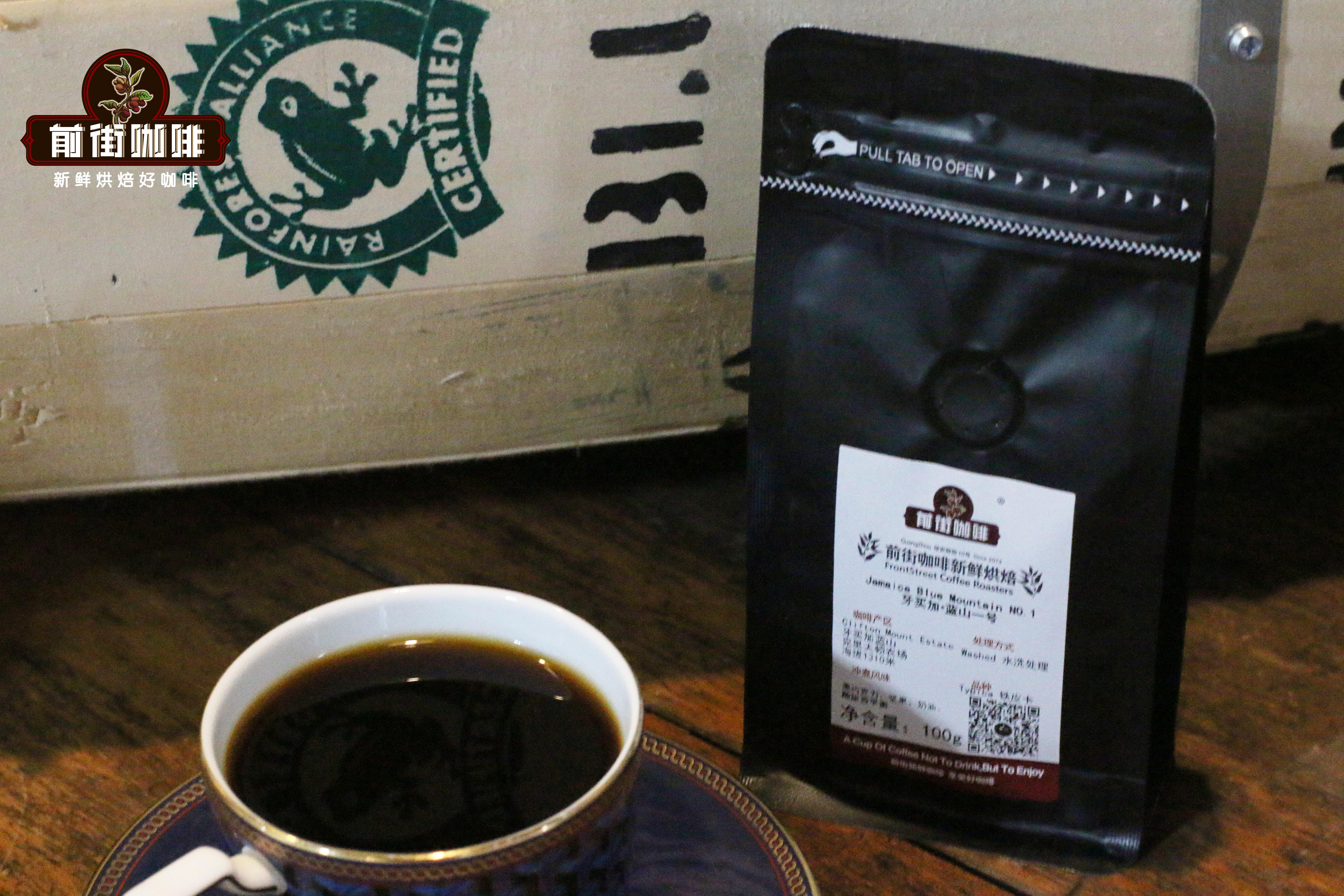
How to Identify Authentic Blue Mountain No. 1 Coffee Beans? A Comprehensive Analysis from Barrel Certificates to Bean Appearance and Flavor
Blue Mountain coffee is produced in the Blue Mountains of Jamaica at elevations between 910 and 1,700 meters. The variety is Typica, and it is known for its balanced acidity, sweetness, and bitterness, full and solid body, long-lasting sweet aftertaste, and absence of burnt bitterness. Because annual production is limited, authentic Blue Mountain No. 1 coffee beans in China usually sell for 150 to 400 yuan (100 to 200 grams), while products labeled "Blue Mountain flavor" or "Blue Mountain blend" are not true Blue Mountain coffee. This article systematically introduces the methods baristas use to identify authentic Blue Mountain No. 1 from perspectives such as the wooden barrel and certificate, bean size and uniformity, appearance characteristics, and raw bean color. It also compares the flavor performance of washed and natural processing methods and shares Front Street Coffee's brewing parameters and techniques to help enthusiasts build a clear identification framework. [more…]
Identifying Authentic Yirgacheffe Coffee Beans by Roast Level
Yirgacheffe is not a fixed roast flavor, but the name of a representative production area in Ethiopia's Sidama region. A bean bag with real reference value will usually go on to specify the particular production area, processing method, variety, or lot information. When judging, you can first observe the roast level, then cross-check the flavors in the cup against the clues on the label. [more…]
Yirgacheffe authenticity: first understand the coffee bean's flavor clock
Yirgacheffe is often remembered as a coffee with floral notes, citrus, and a bright tea-like quality, but these descriptions are not fixed labels. From the moment roasting is completed to the moment it is sipped, coffee beans go through degassing, aroma development, and flavor decay. Seeing this curve of change clearly can help us judge the condition of a bag of beans and also provide a basis for identifying origin information. [more…]
How Exactly Is Golden Mandheling Defined? A Comprehensive Interpretation from PWN Certification to Front Street Coffee Cupping Flavor
Golden Mandheling is one of the flagship Indonesian specialty coffees, yet the market is flooded with Mandheling products bearing the name "Golden," while only a handful truly meet the standard. This article begins with the background of the PWN company to clarify the correct definition and certification standards of Golden Mandheling, explaining its core requirements such as G1 grade, 18-mesh-and-above screen size, and triple hand sorting. It also shares the flavor differences between Front Street PWN Golden Mandheling and Lintong Mandheling in cupping, helping coffee enthusiasts accurately identify authenticity and make suitable choices based on personal taste preferences. [more…]
A Complete Guide to Coffee Defects: Ten Common Types, Causes, and Identification Methods Illustrated
The content of defective beans directly affects coffee quality and grade classification. Taking Brazil as an example, the local system uses a "deduction method," grading based on the number of defective beans per 300 grams of main beans. In addition, coffee usually requires hand sorting during processing, and only by fully mastering the types and characteristics of defective beans can they be effectively removed. So exactly how many types of defective beans are there? This article will use illustrated explanations to introduce ten common defective beans one by one, including shell beans, stones, moldy beans, fermented beans, dead beans, immature beans, shell beans, insect-damaged beans, black beans, and cocoa beans, explaining their causes, appearance characteristics, and negative effects on coffee flavor, laying the foundation for subsequent learning about defective bean selection. [more…]
Coffee Bean Identification Tips | Should Coffee Beginners Choose Single-Origin or Blended Beans? What Are Some Recommended High-Cost-Performance Single-Origin Coffee Beans for Beginners?
The coffee beans themselves are the biggest factor affecting coffee flavor. If you don't choose high-quality coffee beans, you won't be able to taste good coffee. Today, I'll share some practical tips for beginners on selecting and identifying coffee beans. Coffee bean brands suitable for beginners to learn about For inexperienced newcomers, the complicated cof [more…]
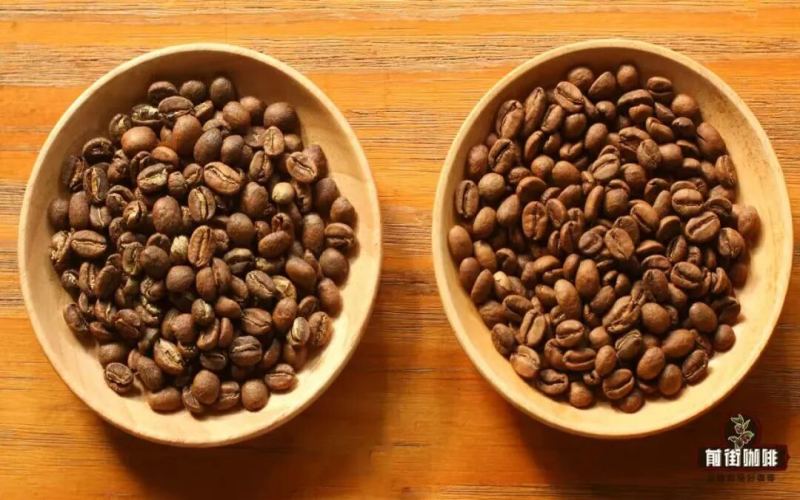
Coffee Bean Identification | What Are the Differences Between Washed and Natural Coffee? How Can Coffee Beginners Learn to Tell Natural Beans from Washed Beans?
If you often drink pour-over coffee, Front Street believes you've probably seen friends who can tell washed and natural processed coffee apart at a glance, or with a single sip. Because they distinguish them so quickly, many friends are amazed and wonder how on earth they do it. Just yesterday, [more…]
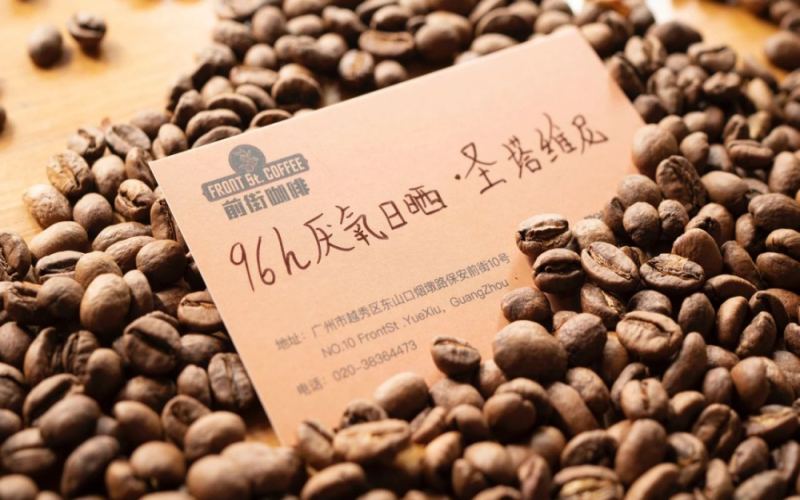
Coffee Bean 74 Series | What Are Ethiopian Coffee Varieties 74110 and 74158? Introduction to Sidamo Santa Vini Coffee Flavor, Mouthfeel, and Pour-Over Brewing Parameters
(Top left) Among the thousands of different coffee varieties, it's inevitable that some beans have rather unusual names! Unlike most beans such as Bourbon and Typica, which have conventional names, these are like secret agents, each with their own code number. For example, varieties named with letters plus numbers. [more…]
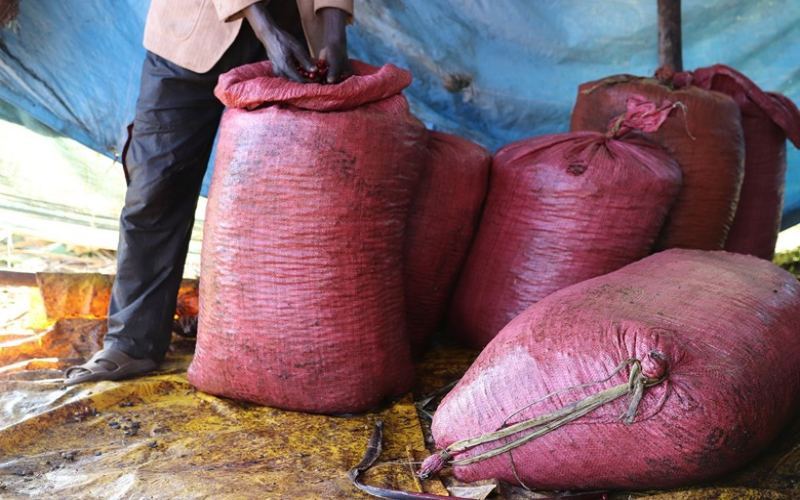
How Coffee Cherries Are Harvested: Hand-Picking, Floatation, and Defective Beans
The refinement of specialty coffee often begins the moment it is harvested. In the same coffee field, the difference in final flavor between careful harvesting and careless harvesting may be even greater than that of roasting. How are coffee cherries picked one by one? Why must defective beans be removed? This article takes you into the scene of harvesting and grading. Handmade [more…]
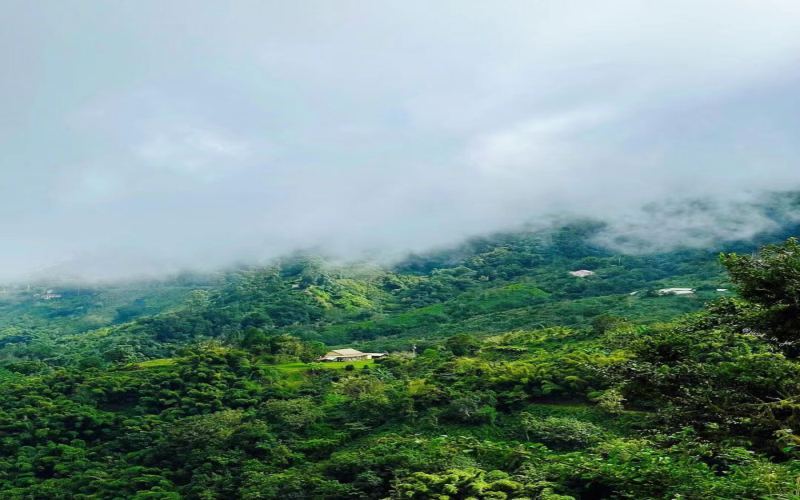
牙买加蓝山咖啡生豆分级制度与铁皮卡品种的风味特征解析
蓝山咖啡在国人心中长期占据好咖啡代名词的位置,但关于它的产地范围、分级标准、品种特征以及那段与日本深度绑定的历史,许多人其实并不清楚。本文从牙买加咖啡产业协会的成立讲起,梳理蓝山咖啡种植区域的法定界定、铁皮卡品种的选育传承、CIB的品控体系与木桶包装传统,并还原日本获得优先采购权的历史背景。同时提供辨别真假蓝山咖啡的实用方法,包括证书类型与蓝山桶的核验要点,帮助咖啡爱好者在纷繁的市场信息中找准正宗蓝山。 [more…]
A Detailed Guide to Jamaican Blue Mountain Coffee Grades: Grade 1, Grade 2, Grade 3 Specifications and Authentic Price Reference
Jamaican Blue Mountain coffee is world-renowned for its unique flavor and strict controls. Jamaican law stipulates that only coffee beans grown in the Blue Mountain region may bear the name "Blue Mountain." High-grade Blue Mountain coffee is divided into three grades—No. 1, No. 2, and No. 3—corresponding respectively to screen size standards of 17–18 mesh and above, 16 mesh, and 15 mesh. The green beans of all three grades must be packed into wooden barrels for export, with the barrel bearing the estate name, importer's abbreviation, and batch information, along with a government-certified green certificate of origin. Understanding these grades and export regulations helps coffee enthusiasts verify authenticity and make informed purchases of genuine Blue Mountain coffee. Front Street Coffee recommends that consumers pay attention to the roast level and packaging format to judge the true quality of the Blue Mountain coffee in their hands. [more…]
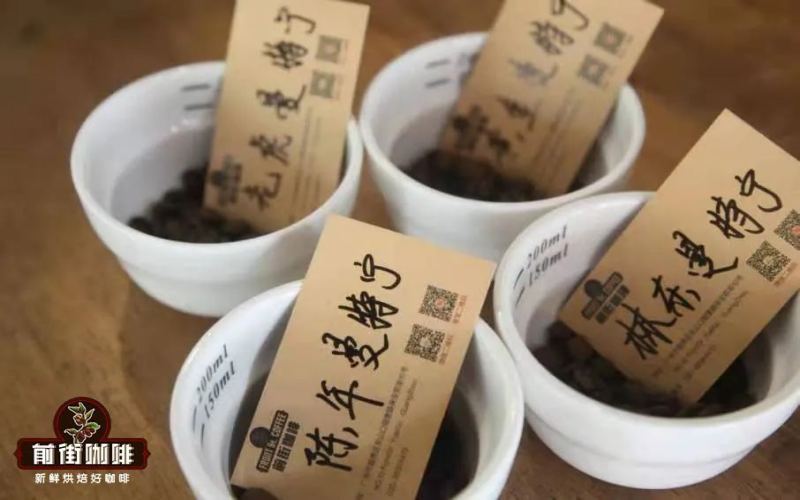
Indonesian Sumatra Mandheling Coffee Beans | Brewing Flavors of Mandheling and PWN Golden Mandheling Coffee Beans
Among rich and full-bodied coffees, many people are deeply impressed by Indonesian Mandheling coffee. Indeed, the name Mandheling coffee is quite renowned, a typical representative of Asian coffee, and loved by many. Along with its fame, however, many people taste it because of its reputation but stop at its flavor. Why is that? [more…]
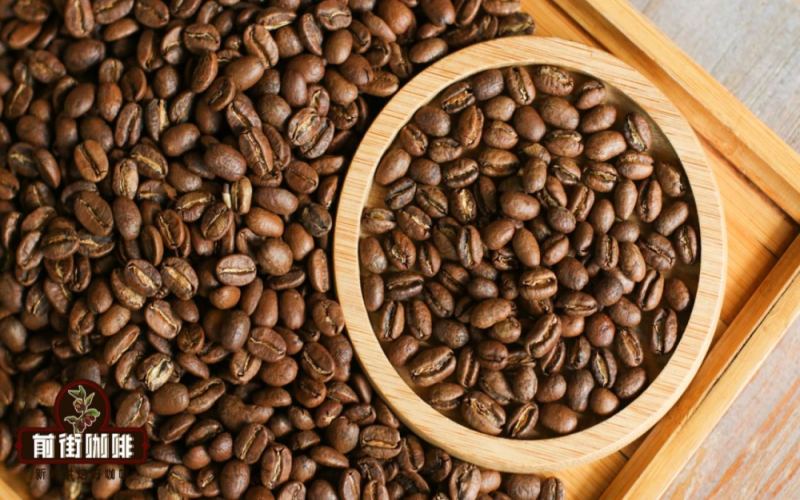
Coffee Roast Level Comparison | How Can Coffee Beginners Visually Determine Coffee Roast Level? What Are the Roast Flavor Characteristics of Espresso and Americano Coffee Beans?
The coffee beans we usually encounter have all been roasted. Roasting brings out the captivating aroma of coffee beans, and different roast levels give quite different impressions. In this issue, Front Street Coffee (FrontStreet Coffee) introduces several methods for identifying coffee roast levels. [more…]
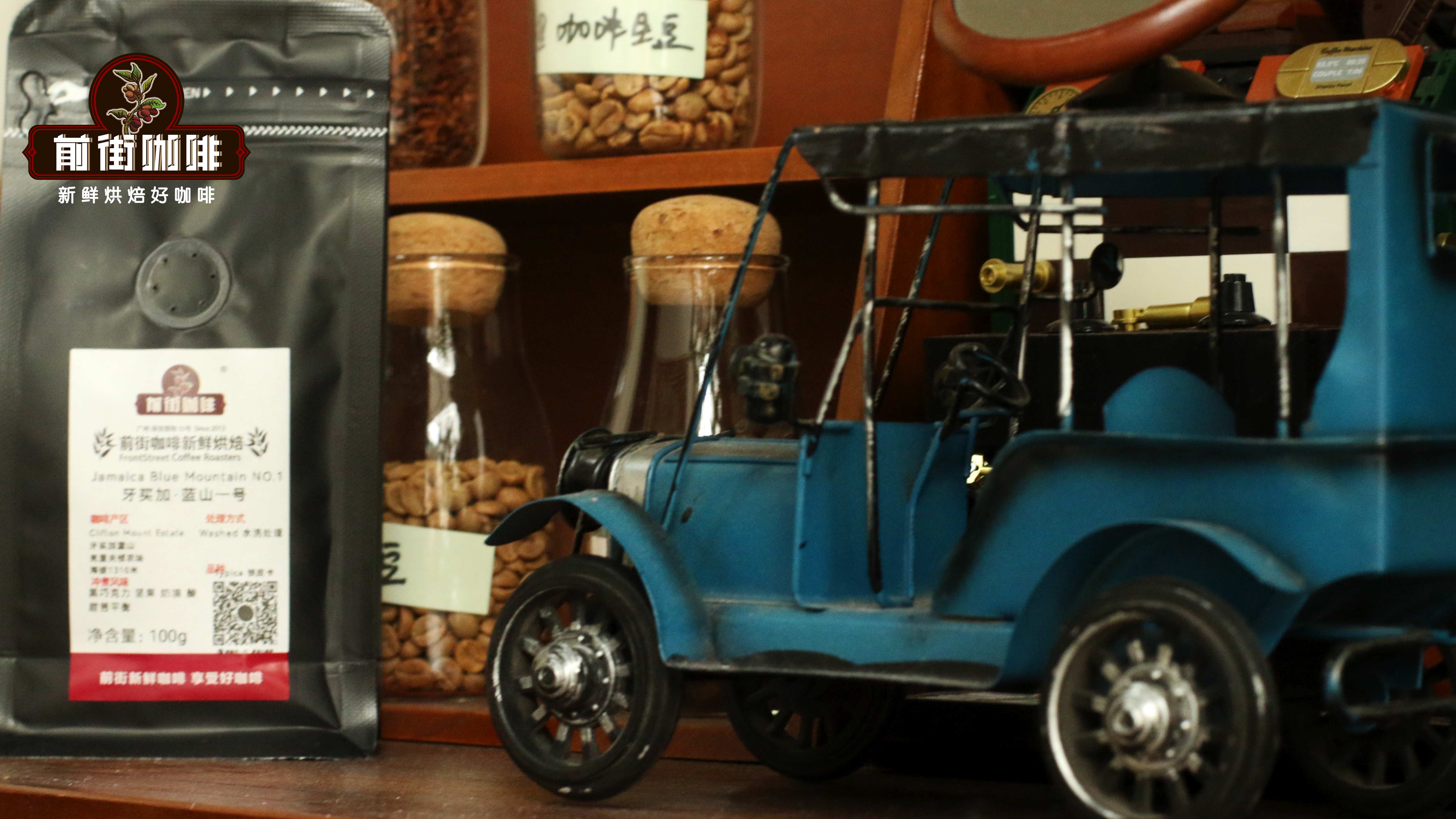
蓝山咖啡与意式浓缩有哪些本质差异?牙买加蓝山风味特征及SOE拿铁实操解析
蓝山咖啡与意式浓缩,一个是精品咖啡中的翘楚,一个是意式饮品的灵魂基底,二者究竟有何区别、哪种更好喝?本文从前街蓝山咖啡的平衡口感与坚果风味切入,梳理意式浓缩的萃取逻辑,进而追溯牙买加蓝山近三百年的历史沿革、CIB与JACRA的监管体系、铁皮卡品种的植物学特征与种植难点,以及蓝山一号的分级标准与原木桶包装。文章后半段以前街蓝山一号为例,完整演示从磨粉、布粉、萃取到打奶泡、拉花的SOE拿铁制作流程,并附上咖啡豆新鲜度与养豆期的实用建议。 [more…]
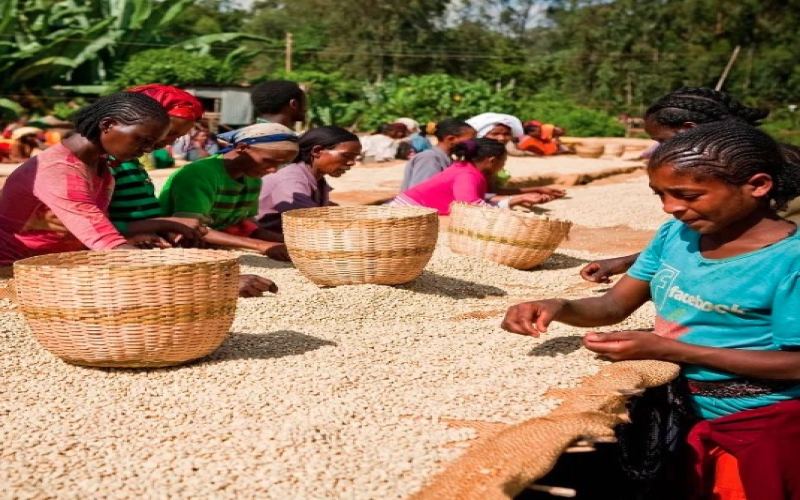
Coffee Grading | What are AA and AB in Kenya? What is the difference between AA TOP and AA?
Previously, we talked about the coffee grading in Ethiopia. Today, let's take a look at what the coffee grading in Kenya is like! After all, when we see Kenyan coffee, we will see things like AA and AB. What exactly do these refer to? What is AA TOP? [more…]
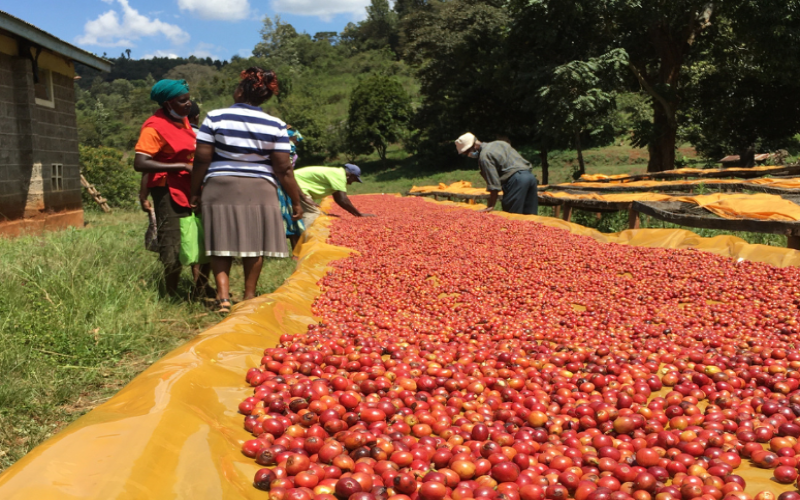
Fruity Flavor Pour-Over Bean Recommendations | What Are the Characteristics of the Yirgacheffe Specialty Coffee Region? How Can You Tell Real Yirgacheffe Single-Origin Beans from Fakes?
African coffee beans are mostly characterized by floral and fruity flavors, forming a sharp contrast with the mellow, bitter, and spicy flavors of Asian coffee and the nutty, caramel flavors of American coffee. As a representative of African coffee, Kenyan coffee has a rich berry aroma, along with the acidic notes of dark plum juice and grapefruit; its acidity is full-bodied with a slight caramel taste; while Ethio [more…]
Light, Medium, and Dark Roasts for Pour-Over Coffee | What Are the Flavor Characteristics of Coffee Beans at Different Roast Levels? Do Light, Medium, and Dark Roasts Taste Very Different in Pour-Over Coffee?
For more specialty coffee knowledge, please follow: Front Street Coffee (Frontsteet Coffee) The roast level of coffee beans determines the direction of the coffee's flavor. Many coffee shops label the roast level on the coffee beans they sell, such as light roast, medium roast, cinnamon roast, etc., which makes it easy for beginners [more…]
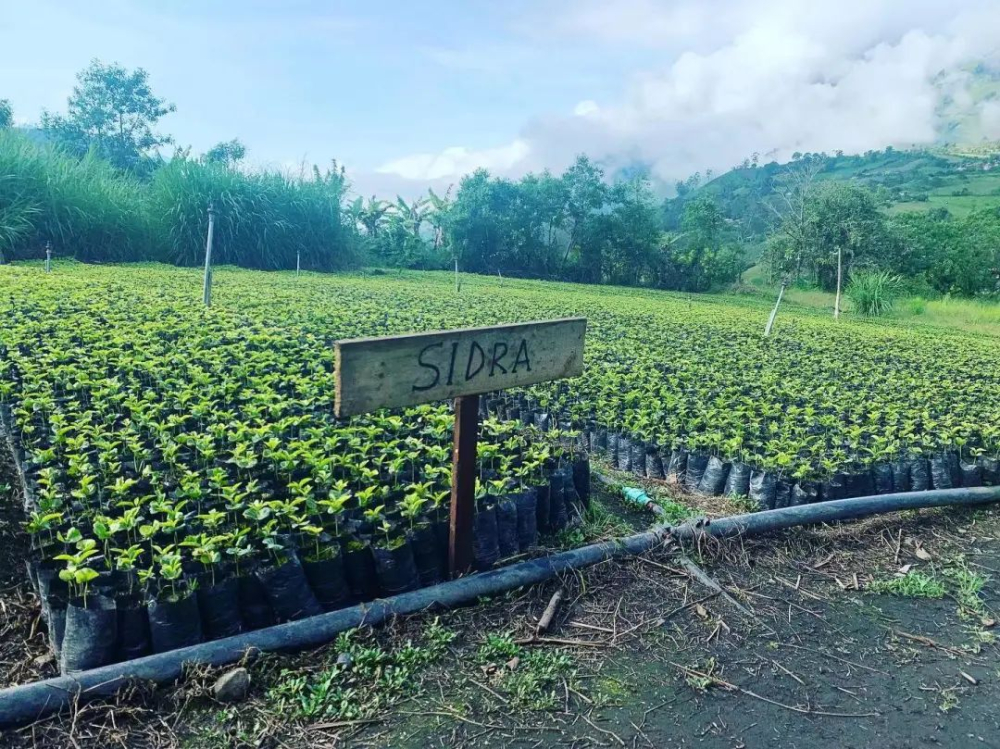
Colombian Sidra Coffee Beans | Flavor Characteristics of Anaerobic Fermentation Sun-Dried Sidra Coffee Beans and Introduction to the Sidra Coffee Variety
"Variety" is another consideration some friends use when selecting coffee beans, in addition to flavor and origin. Sidra, transliterated from "Sidra," also known as "Sydra" or "Bourbon Sidra." In Spanish, Sidra means "apple juice." [more…]
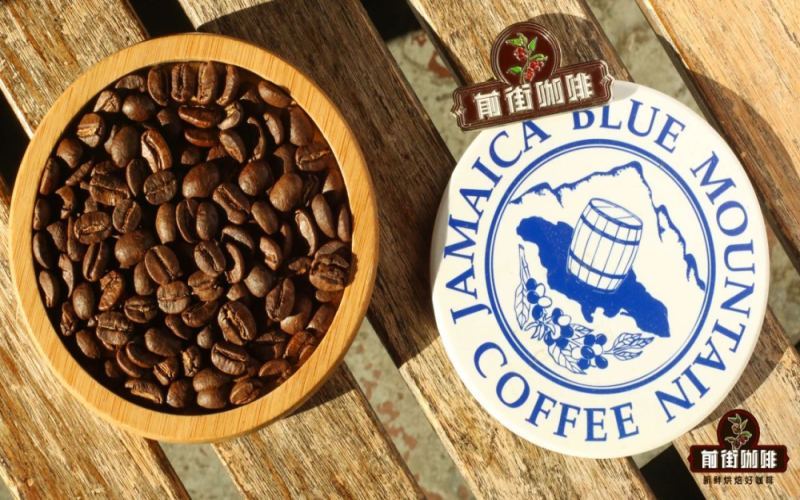
An Analysis of the Jamaican Blue Mountain Coffee Bean Grading System and Pricing Factors: Blue Mountain No. 1 Flavor Profile and Front Street Recommendation
Blue Mountain coffee has long been regarded by Chinese consumers as synonymous with premium coffee, yet as the specialty coffee wave has advanced, its halo seems to have faded somewhat. This article will systematically sort out the grading standards for Jamaican Blue Mountain coffee beans, the historical and practical reasons behind their persistently high prices, and how to identify authentic Blue Mountain coffee, along with a detailed description of its flavor characteristics and brewing recommendations. At the same time, the article will also introduce the origin background and certification information of the Blue Mountain No. 1 coffee beans sold by Front Street Coffee (FrontStreet Coffee), helping coffee enthusiasts gain a more comprehensive understanding of this legendary coffee. [more…]
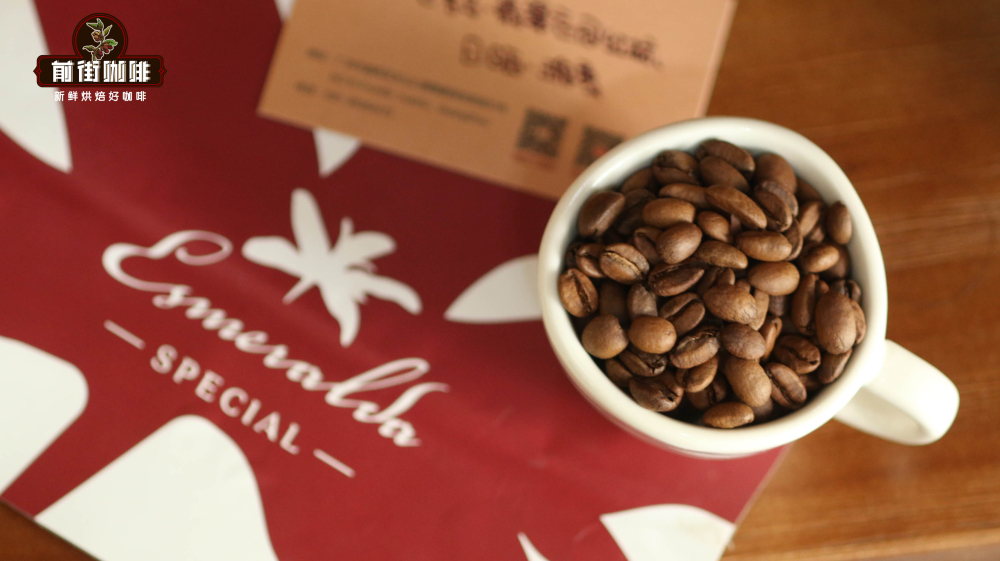
Coffee Varieties Illustrated | What Are the Taste and Shape Differences Between the Three Major Coffee Bean Species? How to Quickly Identify Coffee Bean Varieties? Are Ethiopian Heirloom and Geisha the Same Species of Coffee?
Every variety of coffee beans has different bean appearance (bean外貌) characteristics. In this article, Front Street will guide everyone through coffee bean appearance to identify coffee bean varieties, and what flavor characteristics do different coffee varieties have? ~| Typica (Typica) Typica originated in Ethiopia and southeastern Sudan. [more…]